

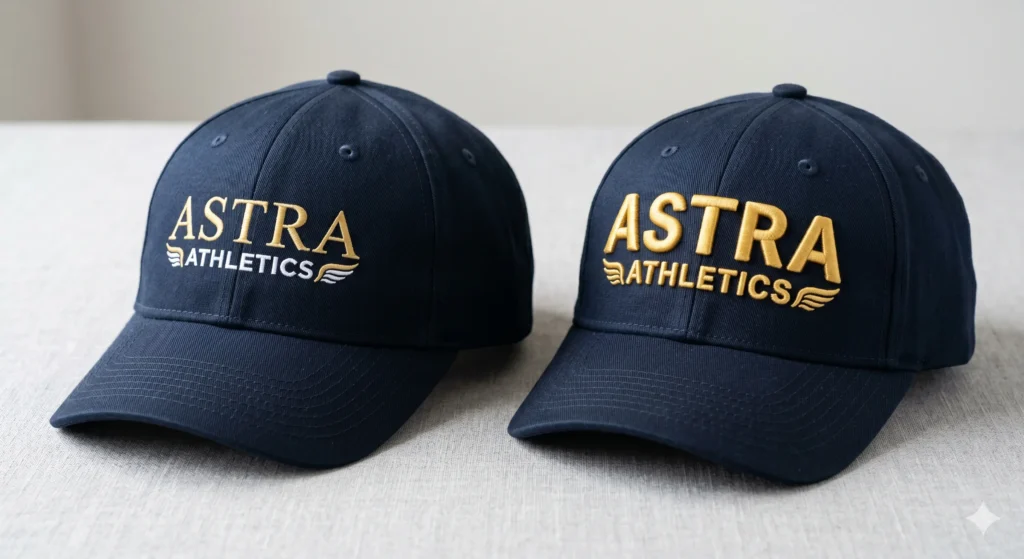
Embroidery is one of the most effective ways to give a logo a premium and lasting look. It adds texture, durability, and a more professional finish to apparel, especially on caps, jackets, polos, and branded merchandise. But when it comes to choosing an embroidery style, many brands and business owners get stuck on one question: should the logo be done in flat embroidery or 3D puff embroidery?
Both options can look excellent, but they are not designed for the same purpose. One focuses on clean detail and versatility, while the other creates a bold, raised effect that stands out immediately. The right choice depends on the style of your logo, the garment you want to use, and the image you want your brand to present.
This guide explains the difference between flat embroidery and 3D puff embroidery, the strengths of each style, and how to decide which one works best for your logo.
Understanding Flat Embroidery
Flat embroidery is the traditional embroidery style most people are familiar with. In this method, stitches are sewn directly onto the surface of the fabric without any foam or raised support underneath. The result is a clean and smooth embroidered design that sits naturally on the garment.
This style is often used for business logos, uniforms, left chest branding, detailed designs, and logos with smaller text. It works well because it allows more control over fine details and produces a neat, professional appearance.
Flat embroidery is a practical choice for a wide range of apparel. It is commonly used on polo shirts, workwear, jackets, tote bags, beanies, and many types of branded clothing. Because it stays close to the fabric, it is also more flexible when working with different materials and placements.
Understanding 3D Puff Embroidery
3D puff embroidery is a raised embroidery technique that uses foam beneath the stitching to create height and dimension. Instead of lying flat, the embroidered sections stand above the surface of the garment, making the design more noticeable and visually bold.
This style is especially popular for caps and fashion-focused branding. It is often used for initials, bold lettering, simple icons, and logos with thick elements that can hold the raised structure well.
3D puff embroidery creates a more dramatic look than flat embroidery. It is commonly chosen by streetwear brands, sports brands, and businesses that want a stronger visual statement. On the right logo and garment, it can give a very premium and modern appearance.
However, it is important to understand that 3D puff is not suitable for every design. It works best when the artwork is simple, bold, and spacious enough to support the raised effect.
The Main Difference Between Flat and 3D Puff Embroidery
The biggest difference between these two styles is how the logo appears on the garment.
Flat embroidery creates a smooth and detailed stitched finish. It is ideal when you want clarity, fine detail, and a classic embroidered appearance.
3D puff embroidery creates a raised and more textured finish. It is ideal when you want the logo to stand out more and make a stronger visual impression.
In simple words, flat embroidery is better for detail, while 3D puff embroidery is better for depth and impact.
When Flat Embroidery Is the Better Option
Flat embroidery is usually the better choice when your logo includes small text, narrow outlines, thin shapes, or multiple design details. If the logo needs to stay readable and sharp at a smaller size, flat embroidery is often the safest option.
It is also better for logos placed on the left chest, sleeve, or other smaller areas where precision matters more than dramatic height. Corporate branding, work uniforms, school logos, and formal apparel usually benefit more from flat embroidery because it keeps the design polished and professional.
Another reason flat embroidery is so popular is that it works on more garment types. Since it does not require foam, it can be applied more easily to soft fabrics and flexible surfaces.
When 3D Puff Embroidery Is the Better Option
3D puff embroidery is usually the better choice when the logo is bold, simple, and designed to grab attention. Thick lettering, large initials, and strong shape-based logos tend to perform best in this style.
This method is most commonly used on the front of structured caps because the cap panel provides enough support for the raised embroidery to hold its shape. It works especially well when a brand wants a fashionable, high-impact, and more premium-looking result.
If your goal is to make the logo stand out from a distance or add more texture to the design, 3D puff embroidery can be an excellent option. It gives a stronger presence and often feels more modern in fashion and lifestyle branding.
Which Style Looks More Professional?
Both styles can look professional, but they communicate different things.
Flat embroidery usually looks more clean, refined, and business-friendly. It gives a logo a classic finish and suits brands that want a polished and dependable appearance.
3D puff embroidery looks more bold, expressive, and attention-grabbing. It suits brands that want a stronger visual identity, especially on hats and casual merchandise.
So the answer depends on what your brand needs. If the goal is subtle and clean branding, flat embroidery is often the better fit. If the goal is bold and memorable branding, 3D puff may be the stronger choice.
Can Every Logo Be Done in 3D Puff?
No. This is one of the most important things to understand before choosing the style.
A logo with tiny text, thin lines, delicate details, or closely packed elements usually does not convert well into 3D puff embroidery. The foam-based structure needs enough space and thickness to hold the raised stitches properly.
That means some logos may need to be simplified before they can be used for 3D puff embroidery. In many cases, a brand may use one version of the logo for flat embroidery and another simplified version for puff embroidery on caps.
This is actually a smart approach, not a limitation. Using different logo variations for different products helps maintain both quality and consistency.
Can Flat and 3D Puff Be Combined?
Yes, and this is often one of the best solutions.
Some logos work very well when the main part is raised in 3D puff and the smaller supporting details are stitched flat. For example, a brand name or initials can be done in puff, while a tagline or extra detail stays flat underneath.
This mixed approach helps keep the design bold without sacrificing readability. It is especially effective for cap embroidery where the main feature needs impact but some smaller information still needs to stay clear.
Choosing Based on Garment Type
The type of garment also plays a big role in the decision.
Flat embroidery is more versatile. It works well on polos, uniforms, jackets, bags, hoodies, beanies, and many other apparel items.
3D puff embroidery performs best on structured caps and certain thicker items where the raised shape can stay clean and consistent. It is less commonly used on soft garments because the result may not look as sharp depending on the fabric and placement.
That is why many brands use flat embroidery for shirts and uniforms, then use 3D puff embroidery for caps and statement merchandise.
Which Option Is Better for Branding?
From a branding point of view, the right choice depends on how you want people to experience your logo.
Flat embroidery gives a brand a more established, clean, and professional feel. It is perfect for businesses that want a timeless embroidered look across many products.
3D puff embroidery gives a brand a more bold, stylish, and energetic feel. It is ideal for brands that want more visual personality, especially in fashion, sports, and modern merchandise.
Neither is better in every situation. The stronger choice is the one that matches your brand identity, logo structure, and intended product.
Why Good Digitizing Still Matters
Even the best logo can produce poor results if the embroidery file is not prepared correctly. Proper digitizing is what makes the embroidery clean, balanced, and suitable for the chosen style.
For flat embroidery, digitizing helps preserve detail, improve stitch direction, and keep the logo readable.
For 3D puff embroidery, digitizing becomes even more critical because the file must be built to handle foam, raised stitch coverage, spacing, and clean finishing.
That is why choosing between flat and 3D puff embroidery should never be separated from the quality of digitizing. The embroidery style matters, but the file preparation matters just as much.
Final Thoughts
Flat embroidery and 3D puff embroidery both have their own strengths. Flat embroidery is the better choice for logos that need detail, clarity, and flexibility across different garments. 3D puff embroidery is the better choice for bold logos that need texture, depth, and a stronger visual presence.
If your logo is detailed and professional, flat embroidery will usually give the best result. If your logo is simple and bold, 3D puff embroidery can create a more striking finish. And if your logo has both strong and delicate elements, combining the two styles may be the smartest solution.
The best embroidery result always comes from matching the style to the design, rather than forcing the design into the wrong method.
Conclusion
Choosing between flat embroidery and 3D puff embroidery is not just about appearance. It is about selecting the style that works best for your logo, your garment, and your brand image.
Flat embroidery offers precision, versatility, and a clean professional finish. 3D puff embroidery offers depth, texture, and a bold premium look. Both can be highly effective when used correctly.
Before moving into production, it is always worth reviewing your logo carefully to see which embroidery style suits it best. The right choice will improve the final appearance, protect the quality of your branding, and help your logo look its best on every product.